Plant and Habitat Specifications
- Scientific Name: Coffea liberica var. dewevrei (formerly Coffea excelsa)
- Group: Liberoid (same group as Liberica Coffee)
- Ideal Planting Altitude: 0–750 meters above sea level (lowlands)
- Growing Conditions: Thrives in tropical areas with moderate rainfall; grows well in acidic peat soils such as those in Jambi, Indonesia.
- Harvest Time: Fast-maturing, fruits can be harvested in about 3.5 years.
- Production: Around 1.2 tons per hectare within 3.5 years.
- Main Distribution: Indonesia (Jambi, Riau Archipelago, East Java), West Africa (original discovery site).
Bean and Flavor Specifications
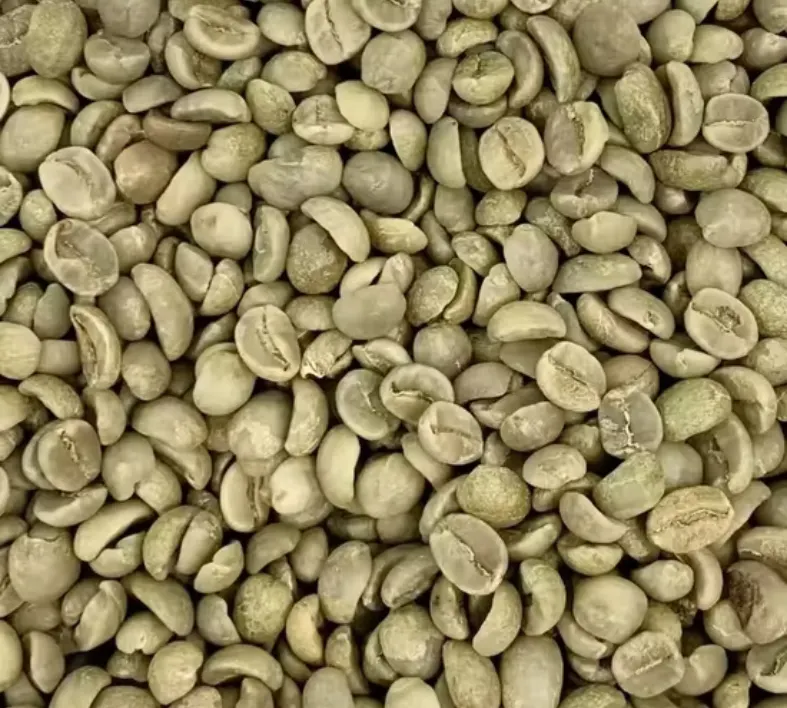
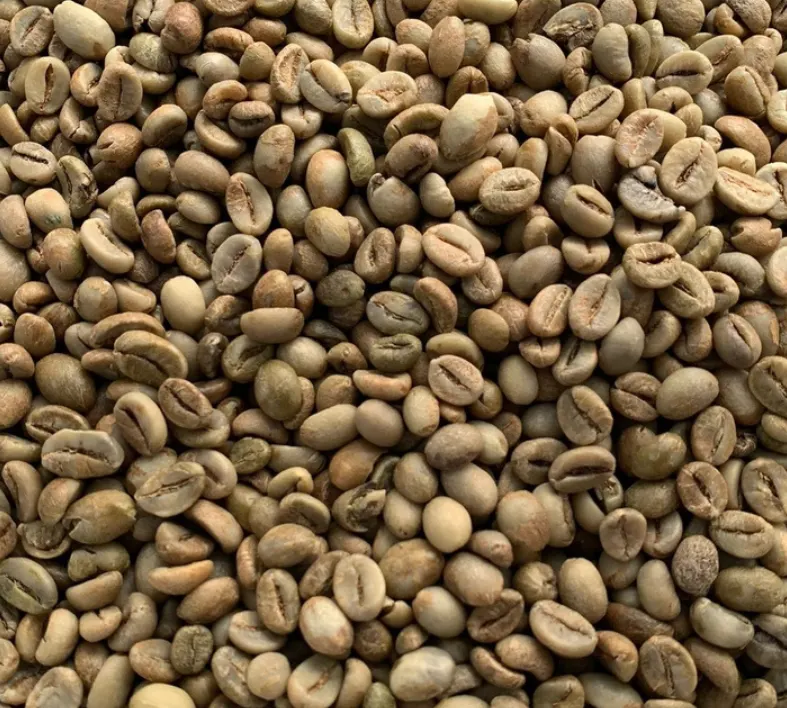
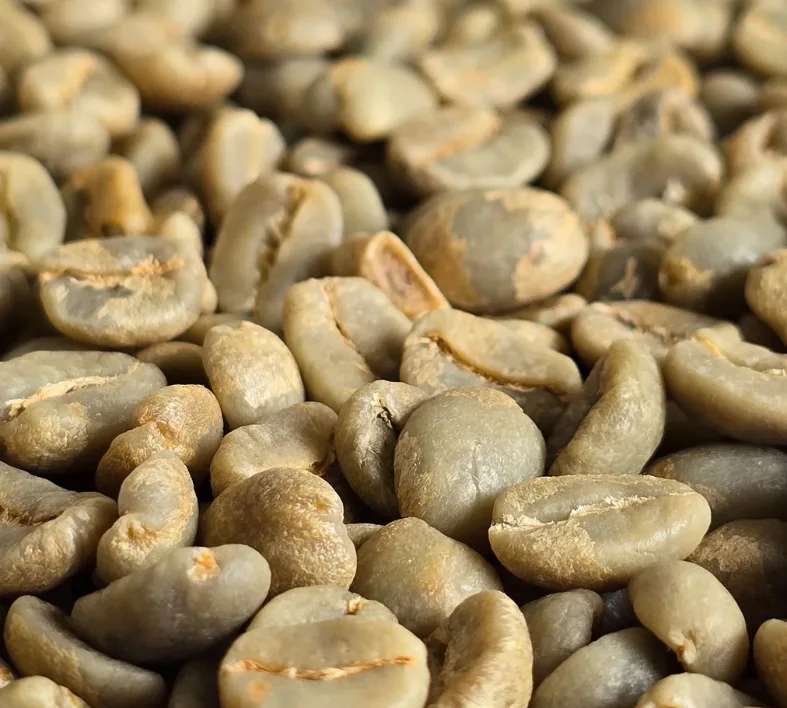
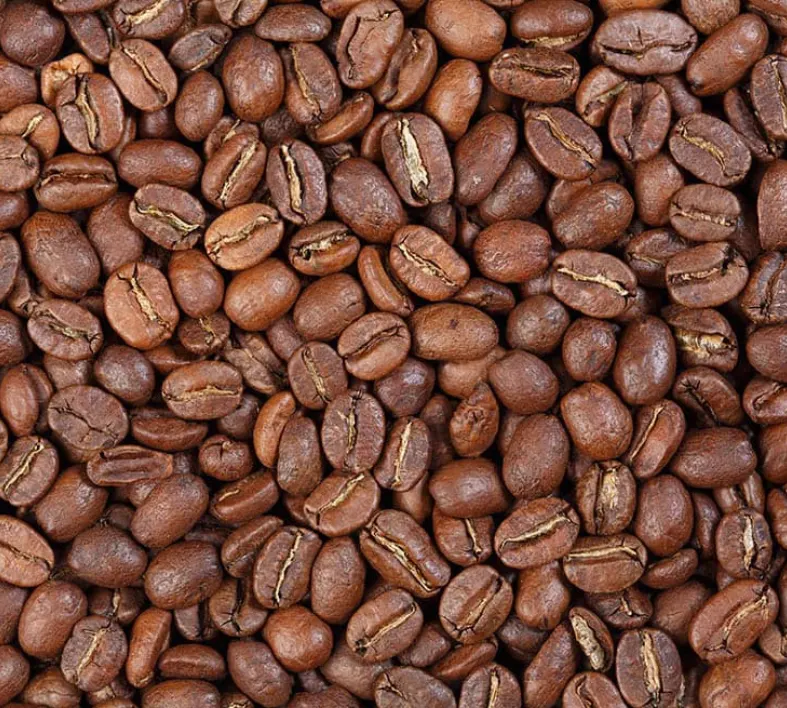
- Bean Shape: Larger and more irregular than Arabica and Robusta, but smaller than Liberica. Darker color and rougher texture.
- Aroma: Strong and complex, often slightly sharp and fragrant, with tea-like notes.
- Flavor Profile:
- Fruity & Acidic: Refreshing fruit acidity (grape, green apple, or tropical fruit), milder than Robusta.
- Sweet: Naturally sweet undertones like caramel or chocolate; gives a light impression on the palate.
- Spices: May include hints of cinnamon or clove.
- Others: Thick body, slightly smoky, with herbal undertones.
- Uniqueness: Its sweetness makes it ideal for blending, mellowing the sharp acidity or fruitiness of other coffees for a more mature taste.
Processing and Brewing Specifications
- Processing Methods: Washed, natural, or honey process — each producing different flavor nuances.
- Recommended Brewing Methods: Best suited for manual brewing (single origin) to highlight its unique character:
- Tubruk
- Pour Over (e.g., V60)
- Cold Brew
- Espresso Use: Less commonly used as a single-origin espresso compared to Arabica or Robusta.
Historical Background
Excelsa Coffee was first discovered in 1905 by French botanist Auguste Chevalier near Lake Chad in West Africa. Shortly after its discovery, Excelsa was introduced to Indonesia.
Peat Soil Advantage: One of the greatest strengths of Excelsa is its ability to thrive in peat soils with high acidity, commonly found in Sumatra (Jambi) and Kalimantan.
1. Introduction as a Disease Solution (Early 20th Century)
Main Cause: Excelsa was introduced to Indonesia during the Dutch colonial period as an alternative after Arabica coffee plants across the archipelago were devastated by the leaf rust disease (Hemileia vastatrix) in the late 19th century (around 1876).
Role of Excelsa: Along with Liberica and Robusta (introduced around the 1900s), Excelsa was chosen for its relatively good resistance to leaf rust and pests.
2. Adaptation to Lowlands
Growing Environment: Excelsa was widely planted in Indonesia’s lowlands (0-750 meters above sea level), especially in areas less suitable for Arabica or Robusta.
Peat Soil Advantage: One of the greatest strengths of Excelsa is its ability to thrive in peat soils with high acidity, commonly found in Sumatra (Jambi) and Kalimantan.
Excelsa Coffee Production Centers in Indonesia
Although Excelsa is not as popular as Arabica and Robusta, Indonesia has some key production areas that make it a distinctive regional coffee:
- Jambi (Tanjung Jabung Barat): This is one of the main production centers in Indonesia. Farmers in Betara, Tanjung Jabung Barat, have been growing Excelsa since the 1960s, taking advantage of the plant’s tolerance to peat soil.
- East Java (Wonosalam, Jombang): Wonosalam Excelsa coffee is very famous and has become a regional specialty. It is even regarded as one of the largest producers of Excelsa in Indonesia, with high export potential.
- Other Areas: Excelsa can also be found in the Riau Archipelago and some regions in Java such as Malang and Banyuwangi.
Current Status
Today, Excelsa Coffee, along with Liberica, is often referred to as heritage beans or emerging specialty beans in Indonesia. Its unique flavor and thick body have drawn the attention of the specialty coffee market.
Excelsa has even represented Indonesia in international coffee competitions like the World Brewers Cup, demonstrating recognition for its unique quality.